Every first-time client asks us the same question. “If I only have one park, which one shows me the most animals?”
This Kenya national parks animals comparison chart answers that question directly. We walk through eight parks and reserves, park by park and animal by animal, so you can see what each one actually delivers instead of what a brochure promises.
The honest answer is that no single park has everything. Amboseli gives you elephant herds against Kilimanjaro but thin cat numbers. Nairobi National Park has rhinos fifteen minutes from the airport but zero elephants. Samburu has species you will not see anywhere else in Kenya.
We built this comparison so you can match the parks to the animals you actually want to see, not the ones a brochure tells you to want.
The Big Five (and Big Nine) explained
The Big Five, lion, leopard, elephant, buffalo, and black rhino, were named by old-time hunters for the animals hardest to track on foot, not for photo appeal. The term stuck because it is still a useful shorthand for guides.
The Big Nine adds cheetah, giraffe, zebra, and hippo. It is a newer marketing term, but it reflects what most first-time travelers actually want from a trip: not just the five toughest animals, but the full range of iconic species. We cover where to see each of the Big Five in more depth if you want the full picture before you choose a park.
Animal-by-park breakdown
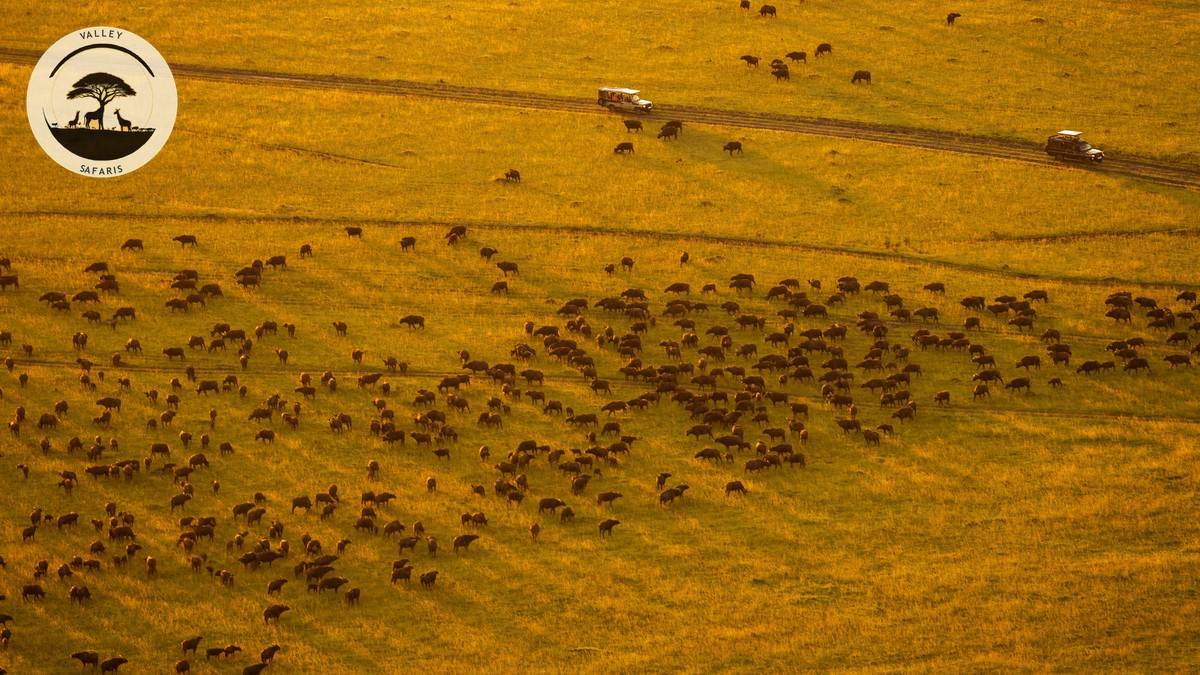
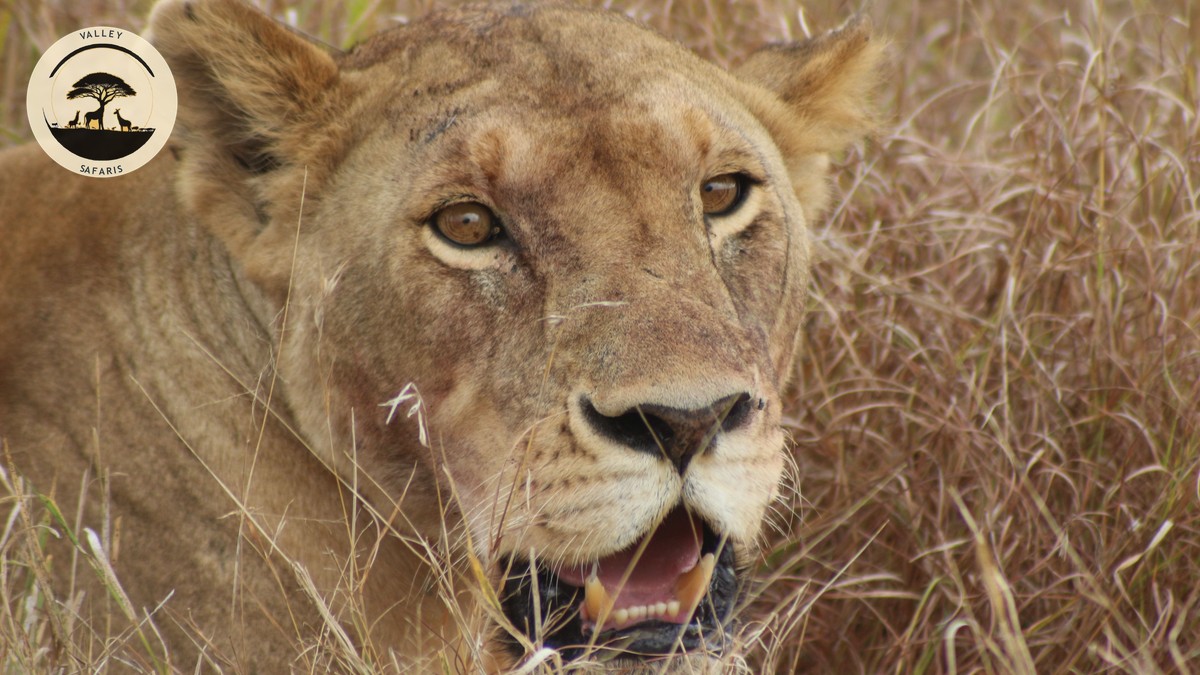
Masai Mara National Reserve has Kenya’s highest lion density, somewhere around 80 to 100 lions across the reserve and its neighboring conservancies. Leopards are shy but findable, especially along the Talek and Mara rivers. This is also the stage for the wildebeest migration.
Amboseli National Park is elephant country. Herds of 20 to 50 are common, some with tusks so long they nearly touch the ground, all set against Kilimanjaro on a clear morning. Lions exist but in smaller, more spread-out prides than the Mara. Leopard sightings are genuinely rare here.
Tsavo East and Tsavo West together cover over 20,000 square kilometers, Kenya’s largest protected area. The elephants here are famous for their red color, dust-bathed from the park’s iron-rich soil. We explain the full story behind Tsavo’s famous red elephants elsewhere on the blog. Tsavo also holds a real black rhino population inside the fenced Ngulia Rhino Sanctuary.
Samburu National Reserve, north of the equator, has a dry, rocky landscape and its own set of species. We go deeper on how Samburu’s big cat sightings compare to the Mara’s, but the short version is that Samburu’s leopard sightings along the Ewaso Nyiro River often beat the Mara’s.
Lake Nakuru National Park is a fenced sanctuary, which means both black and white rhino here are almost guaranteed. It is one of the most reliable rhino parks in East Africa.
Nairobi National Park sits 7 km from downtown Nairobi, the only park in the world bordering a capital city. It holds around 50 black rhinos in a fraction of the space of Tsavo, but its lack of fencing on the wildlife corridor side means elephants long ago moved out.
Ol Pejeta Conservancy and the wider Laikipia region protect the last two northern white rhinos on earth, along with a healthy black rhino population and East Africa’s best odds of seeing endangered wild dogs.
The Kenya national parks animals comparison chart
Here is how the animals stack up, park by park, based on realistic sighting odds rather than generic “common or rare” labels.
| Animal | Masai Mara | Amboseli | Tsavo E/W | Samburu | Lake Nakuru | Nairobi NP | Ol Pejeta |
|---|---|---|---|---|---|---|---|
| Lion | Excellent, several prides daily | Fair, spread thin | Good | Good | Fair | Good | Good |
| Elephant | Good | Excellent, large herds | Excellent, red-dust herds | Good | None | None | Good |
| Black rhino | Rare, conservancies only | None | Good, Ngulia sanctuary | None | Excellent, fenced | Excellent | Excellent |
| White rhino | None | None | None | None | Good | Fair | Excellent, incl. last 2 northern white |
| Leopard | Good | Rare | Fair | Excellent, riverine | Fair | Fair | Good |
| Cheetah | Excellent, open plains | Fair | Fair | Good | Rare | Fair | Good |
| Wild dog | Rare | None | Occasional | Rare | None | None | Excellent |
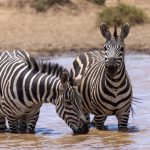
| Grevy’s zebra | None | None | None | Excellent | None | None | Good |
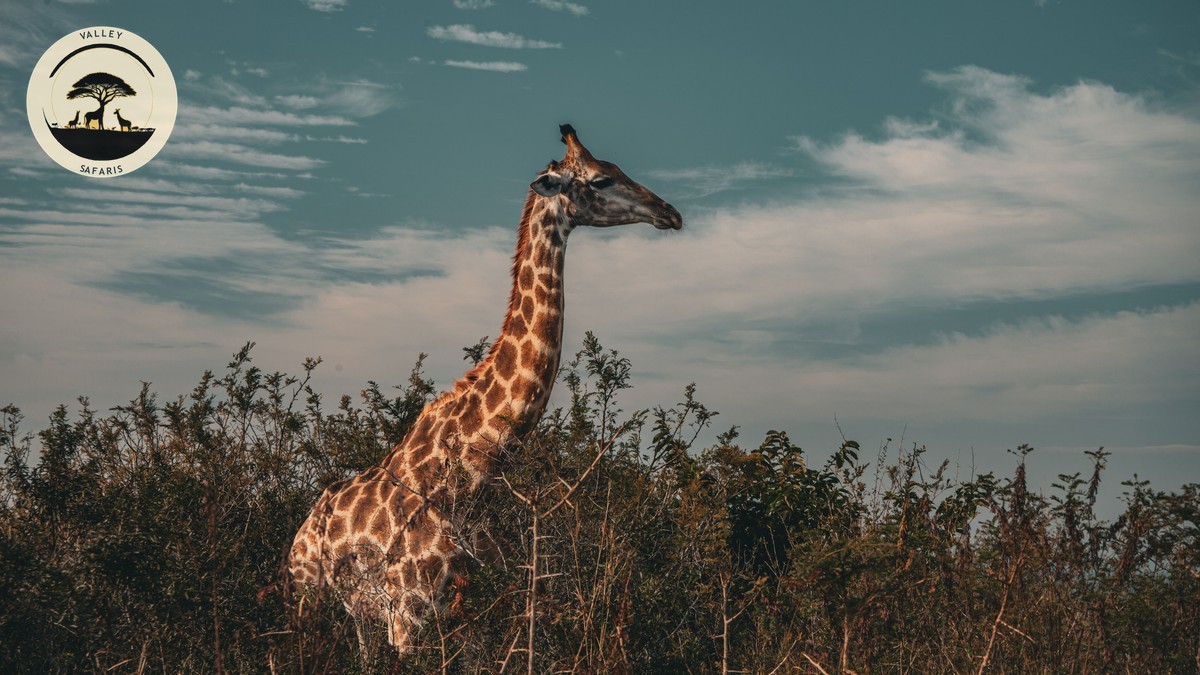
| Reticulated giraffe | None | None | None | Excellent | None | None | Good |
Verdict by priority: Big cats and the migration, Masai Mara. Elephant herds and mountain views, Amboseli. Rhino odds close to guaranteed, Lake Nakuru or Ol Pejeta. One afternoon between flights, Nairobi National Park. Species you cannot see elsewhere in Kenya, Samburu.
Rare and specialty species worth planning around
Samburu’s “Special Five” are Grevy’s zebra, reticulated giraffe, Somali ostrich, gerenuk, and beisa oryx. None of these live in the Masai Mara. If a client tells us these are on their list, Samburu becomes non-negotiable in the itinerary.
Wild dogs are Africa’s most endangered large carnivore, with fewer than 700 left in Kenya. Ol Pejeta and the wider Laikipia conservancies give the best realistic odds, usually spotted on a pack hunt at dawn.
There are no tigers in Kenya, or anywhere in Africa. Tigers are native to Asia. The confusion is common enough that we mention it on every first call with new clients.
Best time of year for wildlife viewing
| Park | Best months | Why |
|---|---|---|
| Masai Mara | July to October | Wildebeest migration river crossings |
| Amboseli | June to October | Dry season pulls elephants to swamps |
| Tsavo | June to October, January to February | Dry season concentrates game near waterholes |
| Samburu | June to September | Cooler, wildlife near the river |
| Lake Nakuru | Year-round | Fenced sanctuary, rhino sightings stay consistent |
| Nairobi NP | June to September, January | Dry grass improves visibility |
| Ol Pejeta | June to September | Dry season game concentration |
Dangerous animals to know before you go
Buffalo cause more guide injuries than lions in East Africa, largely because they charge without warning from thick brush. Hippos kill more people in Africa each year than any other large mammal, mostly at night near water. Your guide will always keep a safe distance and brief you before any walking safari. This is standard practice, not an extra precaution.
Getting there: distances and fees
Park entry fees in Kenya rose sharply after the Kenya Wildlife Service’s September 2025 fee overhaul, and Narok County raised its own Masai Mara rates on top of that. Treat the figures below as current planning numbers, not historical ones.
| Park | Drive from Nairobi | Park fee (non-resident, per day) |
|---|---|---|
| Nairobi National Park | 30 minutes | Around USD 80 |
| Lake Nakuru | 160 km, about 3 hours | Around USD 90 |
| Amboseli | 240 km, about 4.5 hours | Around USD 90 |
| Tsavo West | 240 km, about 4 hours | Around USD 80 |
| Ol Pejeta | 200 km, about 3.5 hours | Around USD 110 |
| Masai Mara | 270 km, about 5.5 hours | USD 200, up from USD 100 through June 2026 |
| Samburu | 325 km, about 6 hours | Around USD 80 to 85 |
The Masai Mara jump is the one to plan around. Narok County held the old USD 100 non-resident rate through June 2026, then moved to USD 200 per day in July 2026. Fees still shift with KWS and county reserve policy, so check current rates before you book. Most of our clients fly into the Mara or Samburu on a 45-minute charter instead of driving, especially on a shorter trip.
Where to stay: camps by park
Fees and drive times only tell you how to get there. Where you sleep changes the trip just as much, so here is a quick read on camps by park.
Masai Mara has the widest range, from tented camps inside conservancies like Governors’ Camp and Angama Mara on the escarpment, to simpler public-reserve options. Conservancy camps cost more but limit vehicle numbers at sightings.
Amboseli lodges such as Ol Tukai and Tortilis Camp sit with direct Kilimanjaro views, which is the main reason clients choose Amboseli over a park with more animals.
Samburu camps like Elephant Bedroom Camp and Samburu Sopa Lodge sit along the Ewaso Nyiro River, so elephants and leopards often pass through camp at dawn or dusk.
Tsavo, Lake Nakuru, and Ol Pejeta run a similar spread, from budget-friendly public campsites to higher-end tented camps and lodges, generally priced below equivalent Mara options.
Camp rates vary widely by season and room category, so we treat published rack rates as an indicative range only and confirm current pricing when we build your itinerary.
The Valley Safaris Difference
We do not sell a park. We match animals to itinerary. When a client tells us elephants matter more than lions, we route them through Amboseli and cut a day from the Mara. When rhino sightings are the priority, we build the trip around Lake Nakuru and Ol Pejeta instead of hoping for a lucky conservancy drive.
Our guides radio each other across camps, so if a leopard is spotted near the Ewaso Nyiro at dawn, a nearby vehicle knows within minutes. We have watched enough sunsets and packed enough surprise picnics on the Mara escarpment to know that the best sightings come from local relationships, not luck.
FAQs about which animals live where
Which Kenya park has the most animals? The Masai Mara has the highest overall wildlife density, especially July through October during the migration.
Which park is best for the Big Five? The Masai Mara, though rhino sightings there are rare. For a guaranteed rhino plus the rest of the Big Five, pair the Mara with Lake Nakuru or Ol Pejeta.
Does Amboseli have lions? Yes, but in smaller, more scattered prides than the Mara.
Does Nairobi National Park have elephants? No. It is the one major Kenyan park without them.
Where can I see rhinos in Kenya? Lake Nakuru, Ol Pejeta, Nairobi National Park, and Tsavo West’s Ngulia sanctuary all offer strong odds.
Amboseli or Tsavo for elephants? Amboseli for closer, more predictable herds against Kilimanjaro. Tsavo for larger numbers and the famous red elephants.
What can I see in Samburu that I can’t in the Mara? Grevy’s zebra, reticulated giraffe, gerenuk, beisa oryx, and Somali ostrich, none of which range into the Mara.
Plan your trip with Valley Safaris
If you know which animals matter most to you, we can build the right park combination around them. Have a look at our Kenya safari tours or get in touch and tell us what is on your list.